Spring Hill Drainage Co
Spring Hill, TN · French Drain Specialists
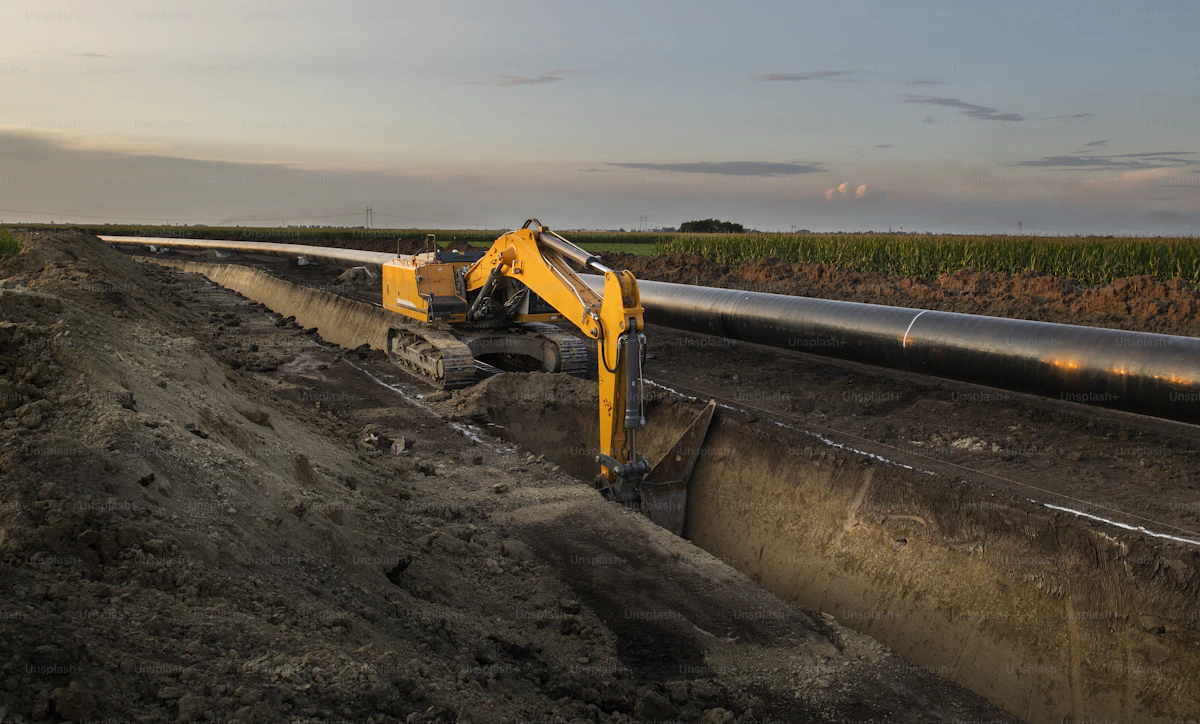
Foundation perimeter drainage installation alongside a Spring Hill TN home

Spring Hill, TN · Hydrostatic Relief

Foundation Drainage in Spring Hill, TN

Perimeter drains, footing-depth installations, hydrostatic pressure relief. Keeping water off your foundation before it cracks walls or pushes a slab.

Protecting the structure

Foundation Drainage for Spring Hill TN Homes

Foundation drainage prevents the slow, compounding damage that saturated soil does to a home. Spring Hill's fragipan-driven drainage profile traps water at depths that intersect typical residential footings, which is why foundation moisture problems are common here even on homes that look dry from the surface. A properly designed foundation drainage system collects water before it builds hydrostatic pressure against the wall and routes it to a safe outlet.

Both exterior and interior foundation drainage systems work. The choice depends on the lot, the structure, the budget, and the specific water path. Exterior systems are typically preferable on new construction or accessible lots because they intercept water before it ever reaches the foundation. Interior systems are often the right call for finished basements, mature landscaping, or constrained lot lines.

Common Spring Hill Foundation Drainage Scenarios

  • Crawlspace water intrusion. Most common scenario in Spring Hill. Interior perimeter drain with sump pit and pump.
  • Finished basement seepage. Interior perimeter drain along problem wall(s), routed to a sump pit. Drywall and flooring restoration coordinated with a finish contractor.
  • Slab edge moisture on garage or living space. Exterior single-side French drain at footing depth with proper outlet routing.
  • New construction preventive system. Full perimeter exterior French drain installed before backfill, sometimes paired with a foundation waterproofing membrane.
  • Combined with foundation repair. Drainage installed first, structural piers or wall stabilization second. Coordinated with the foundation contractor and structural engineer.

Our Foundation Drainage Process

  1. Free on-site walk and interior inspection where access permits.
  2. Written quote with itemized scope, depth, length, sump specs if applicable.
  3. 811 utility marking before any excavation.
  4. Trench or interior channel cut to footing depth (typically 36 to 60 inches for exterior).
  5. Perforated pipe set in clean stone, geotextile wrap, daylight outlet or sump pit.
  6. Backfill, slab patch (interior), or grade restoration (exterior).
  7. System test and walkthrough.
  8. One-year written workmanship cover.

Service Area

We install foundation drainage throughout Spring Hill and across Williamson and Maury County, including Thompson's Station, Columbia, Franklin, Brentwood, and Nolensville. See the full service area.

Related Services

Foundation Drainage Spring Hill TN: Frequently Asked Questions

What does foundation drainage cost in Spring Hill TN?
Full perimeter foundation drainage in Spring Hill typically runs $4,500 to $15,000. The cost depends on the number of sides covered, the depth required to reach footing level, whether a sump pit is included, and whether interior or exterior work is involved. Exterior single-side foundation drains start around $3,500. Full perimeter exterior systems with a sump pit and pump run $9,000 to $15,000. Interior basement perimeter drains tend to run higher due to the careful demolition and reset work.
How is foundation drainage different from a regular French drain?
Foundation drainage specifically targets water collecting against the foundation wall or under the slab edge. The pipe is set at footing depth (often 3 to 6 feet down), close to the structure, and the gravel envelope and fabric wrap are sized to handle the higher water volumes that accumulate against a foundation. A regular yard French drain may sit further from the house and be shallower because its job is to intercept water in the yard before it reaches the foundation. Both use the same materials, the difference is location and depth.
Does my Spring Hill home need foundation drainage?
Common indicators: visible moisture or efflorescence on basement or crawlspace walls, standing water in a crawlspace after a storm, doors and windows that stick on the same side of the house, cracks in interior drywall along the same wall, or a yard that consistently routes water toward the foundation. The fragipan layer common to Spring Hill soils traps water at depths that intersect typical residential footings, which is why foundation drainage is more often needed here than in sandy-soil regions.
What is hydrostatic pressure and how does foundation drainage help?
Hydrostatic pressure is the lateral force exerted by saturated soil against a foundation wall. As the soil holds more water, the pressure increases, and over time it can crack basement walls, push slabs upward, or force water through small cracks into the structure. Foundation drainage relieves that pressure by collecting the water before it accumulates and routing it to a daylight outlet or sump pit. Without that relief, the pressure cycles with every storm and damage compounds.
Can foundation drainage be installed without excavating around my whole house?
Yes. Interior perimeter drains install inside a basement or crawlspace by cutting a narrow channel in the floor at the wall-floor joint, setting perforated pipe with a gravel envelope, and routing to a sump pit. The exterior excavation is avoided entirely. Interior systems are often the right choice for finished basements, mature landscaping, or tight lot lines. They work just as well as exterior systems when sized and installed correctly.
Do you work with foundation repair contractors?
Often, yes. Many Spring Hill foundation movement cases require both a structural fix (piers, slab repair, wall stabilization) and a drainage fix to stop the underlying water source. We work in coordination with structural engineers and foundation contractors so the two systems integrate cleanly. The drainage usually goes in first because the dry condition is necessary before any structural work can be effective long-term.
Water against your foundation?

Free on-site walk and written quote.

Call a Local Crew
Free estimate
Get a Quote